Best Coffee for Cold Brew
Cold brew is a different extraction process from anything hot-brewed, and that changes which beans actually perform well in it. A 12-to-24-hour cold steep pulls flavor slowly and gently — it under-extracts a lot of the sharper, more acidic compounds that a hot brew grabs quickly, which is part of why cold brew reads as smoother and less acidic across the board, regardless of which bean you use.
That said, "which bean" still matters, especially once you factor in dilution — cold brew concentrate typically gets cut with water or milk before drinking, and a delicate, subtle bean can simply vanish under that dilution. We picked three beans from our lineup that handle cold brew's specific demands well, for different reasons, and skipped a couple that are better left to hot brewing methods.
Our top picks
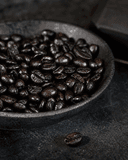 Best Bold Cold BrewDeath Wish Coffee
Poor
Our score: 54 / 100
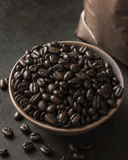 Best Classic Cold BrewPeet's Major Dickason's Blend
Fair
Our score: 67 / 100
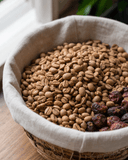 Best Bright, Specialty Cold BrewVolcanica Ethiopian Yirgacheffe
Good
Our score: 76 / 100
Death Wish Coffee
Poor
Our score: 54 / 100
Death Wish's thick body and robusta-boosted intensity are exactly what cold brew wants — a bean that can survive a long cold steep and still taste like something after you cut it with ice and water. The long steep also softens some of robusta's harsher edges from hot brewing, which works in its favor here.
Peet's Major Dickason's Blend
Fair
Our score: 67 / 100
Low acidity and heavy body were never going anywhere once you understand why dark roasts dominate cold brew recommendations, and Major Dickason's delivers both reliably at grocery-store pricing. It's the safest, most widely available pick on this list if you just want dependable cold brew without special-ordering anything.
Volcanica Ethiopian Yirgacheffe
Good
Our score: 76 / 100
This is the contrarian pick, and it works — a longer cold steep tames Yirgacheffe's sharper acidity while keeping its floral, citrusy character intact, producing a cold brew that tastes genuinely different from the bold-and-heavy norm. Worth trying if you find typical cold brew one-note.
How we chose
We looked specifically at how each bean's roast level and body would translate through a cold, slow extraction and subsequent dilution — traits that matter differently here than they do for hot brewing or espresso. We favored beans with either enough body to survive dilution (Death Wish, Peet's) or distinct enough flavor to remain noticeable even after cold extraction mutes some of its intensity (Volcanica). This is a researched assessment based on how these roast levels and bean types generally behave under cold brew, not a hands-on tasting panel for this specific guide.
What to look for
Roast level is the single biggest factor in traditional cold brew. Dark roasts, like Peet's Major Dickason's and Death Wish, extract as low-acid and full-bodied even after a long cold steep and heavy dilution — which is exactly why most commercial cold brew you'll find at a coffee shop uses a dark roast base. The tradeoff is that you lose most of the origin-specific character a lighter roast would offer.
Grind size should be coarse — closer to French press than drip. A too-fine grind over a 12-24 hour steep will over-extract and turn bitter, and it'll also make filtering your concentrate a slow, gritty mess.
Steep time is a lever you can pull independently of the bean. Twelve hours produces a lighter, brighter concentrate; twenty-four hours produces something bolder and more intense. If a bold bean like Death Wish tastes too aggressive for you, cutting the steep time down is an easy fix before you blame the bean.
Lighter, specialty beans aren't off-limits for cold brew — they just behave differently. A bright single origin like Volcanica's Yirgacheffe won't give you the syrupy, chocolatey cold brew people expect from a coffee-shop menu, but it can produce something more like a cold, citrusy iced tea-adjacent drink if that's what you're going for. Know which experience you want before you pick the bean.
Frequently asked questions
Does dark roast always make better cold brew?
It makes the more traditional, expected style of cold brew — bold, low-acid, chocolatey — but it isn't the only valid approach. A lighter roast produces a brighter, more delicate cold brew that some drinkers genuinely prefer, especially in warmer months.
How long should I cold steep for the beans on this list?
Twelve to eighteen hours is a reasonable starting range for Peet's or Volcanica; Death Wish's bold profile can handle the fuller eighteen-to-twenty-four-hour range without becoming unpleasantly harsh.
Do I need special equipment for cold brew?
No — a large jar or pitcher and a fine mesh strainer or paper filter for the final straining is enough. Dedicated cold brew makers are convenient but not necessary to get a good result from any of these beans.
Why didn't Lavazza Super Crema make this list?
It's built and roasted specifically for pressurized espresso extraction, and its flavor profile doesn't have the extra body or roast intensity to stand out after a cold steep and dilution the way a true dark roast or a distinctly aromatic single origin does.