Best Portable Espresso Makers (2026)
There are a lot of gadgets that claim to make espresso on the go, and most of them are lying a little — they're pressure-brewing something closer to a strong pour-over and calling it espresso because the marketing sells better that way. Manual pump devices from Wacaco are the honest exception. You're the pump, the pressure is real, and the shot — while not going to fool a barista — is genuinely closer to espresso than anything else you can fit in a jacket pocket.
I've pulled shots out of both of Wacaco's flagship models on trailheads, in parking lots, and at a campsite picnic table with a backpacking stove for hot water. They both work. The differences between them come down to how much arm effort you're willing to put in and how much you're willing to pay for a pump that makes that effort easier.
Our top picks
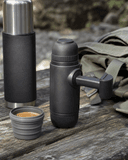 Best Budget / Most CompactWacaco Minipresso
Good
Our score: 71 / 100
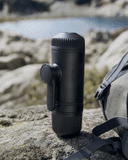 Best OverallWacaco Nanopresso
Good
Our score: 74 / 100
Wacaco Minipresso
Good
Our score: 71 / 100
The smallest, lightest, cheapest way into real pump-pressure portable espresso. No battery, no charging — just hot water, ground coffee, and a hand pump. Shot quality depends heavily on your pump technique, and your arm will know it worked, but nothing else this size does what it does.
Wacaco Nanopresso
Good
Our score: 74 / 100
A redesigned pump that's easier on the hand and a pressure ceiling more than double the Minipresso's. Costs more and weighs slightly more, but the daily usability improvement is real — most people who try both end up reaching for the Nanopresso.
How we chose
We evaluated these on the things that actually separate a good portable espresso maker from a bad one: whether the pressure is real (versus a marketing number that doesn't reflect the actual mechanism), how much the shot resembles genuine espresso rather than a strong filter pour, how physically demanding the device is to operate, and how well it survives the abuse of actual travel — packed bags, temperature swings, rough handling.
We didn't include electric or battery-powered "portable" espresso makers here because this guide is specifically about the manual pump category, which trades convenience for total independence from power sources — a meaningful distinction for anyone who wants this to work regardless of battery life or an outlet.
What to look for
Manual pump versus electric portable machines
Manual pump devices like the Minipresso and Nanopresso require zero batteries or charging — you generate the pressure yourself with a hand pump, which means they work indefinitely as long as you have hot water and ground coffee. Electric portable espresso makers exist too, and they remove the arm effort, but they add battery dependency and charging logistics, which defeats part of the appeal for genuinely off-grid use like backpacking or long flights. If total independence from power matters to your use case, manual is the right category.
Achievable pressure isn't the whole story
Peak pressure ratings (8 bar, 18 bar, and so on) describe the ceiling the pump mechanism can reach under ideal, consistent operation — not a guaranteed number every shot hits automatically the way an electric machine's pump does. Grind size, dose, and your own pump rhythm all affect how close you get to that ceiling on any given shot. A higher-rated ceiling gives you more room for error, which is the real practical benefit, rather than a guarantee of a stronger shot every time.
Shot quality realism — set expectations correctly
Even a well-executed shot from a manual pump device is not going to match a countertop machine with a proper boiler, PID temperature control, and pre-infusion. Temperature stability is limited by how hot your carried water was to start, and there's no automatic compensation for small technique errors. What you're getting is the closest thing to real espresso that fits in a pocket — genuinely good for what it is, not a replacement for a real machine if you have access to one.
Portability and durability for actual travel
Weight differences between models are small — a few tenths of an ounce — but body size and pump mechanism robustness matter more over years of travel use. Look at how the device packs (does it need a hard case, or does it survive loose in a bag?) and whether the manufacturer sells replacement parts for wear items like piston seals, since that's the component most likely to eventually need attention on any manual pump design.
What you still need to bring
None of these devices heat water themselves — you need a separate source of hot water, whether that's a thermos, a camp stove and kettle, or hot water from wherever you're traveling. Factor that into your kit; a portable espresso maker without a hot water plan is just an inert plastic tube.
Frequently asked questions
Do portable espresso makers really make espresso, or just strong coffee?
The manual pump models from Wacaco generate genuine pump pressure — up to 8 bar on the Minipresso, up to 18 bar on the Nanopresso — which is a real mechanical difference from a strong pour-over or French press. The result isn't identical to a countertop machine's shot, mainly due to temperature stability and lack of pre-infusion, but it's meaningfully closer to true espresso than any gravity or immersion method can get.
How do I get hot water when I'm using a portable espresso maker outdoors?
You need to bring your own — a backpacking stove and a small pot, a thermos filled before you leave, or a kettle if you're somewhere with power. None of these portable espresso makers heat water themselves, so plan your hot water source as part of your kit, not as an afterthought.
Which is easier to use, the Minipresso or the Nanopresso?
The Nanopresso, by a noticeable margin — its redesigned pump takes less arm effort per stroke, which makes for more consistent pressure and less fatigue across a full shot. The Minipresso works fine but takes more deliberate effort and a bit more practice to get comfortable with.
Can I use coffee pods instead of ground coffee in a portable espresso maker?
Not with the standard Minipresso or Nanopresso, both of which are built for ground coffee. Wacaco sells a separate NS adapter accessory compatible with the Nanopresso that allows Nespresso-style pods, if you'd rather avoid carrying loose grounds while traveling.