Best Decaf Coffee Beans
Here's the honest caveat up front — none of the specific bags we've reviewed on this site are decaf. Lifeboost Medium Roast and Peet's Major Dickason's Blend, both covered in our full reviews, are caffeinated products. But both companies are also known for offering a separate, dedicated decaf line, and that's what this guide is actually pointing you toward.
We're recommending these two brands' decaf offerings based on their reputation and the decaffeination methods they're known to use, not based on hands-on testing of the decaf products themselves — we haven't reviewed those specific bags on this site yet. If you want a full standalone review of either brand's actual decaf product, that's a gap we'd flag for future coverage rather than something we can respond for today.
Our top picks
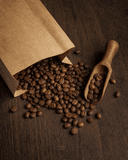 Best Decaf — Lifeboost's Decaf LineLifeboost Medium Roast
Fair
Our score: 68 / 100
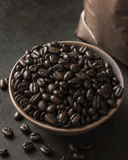 Best Classic Decaf — Peet's Decaf Major Dickason'sPeet's Major Dickason's Blend
Fair
Our score: 67 / 100
Lifeboost Medium Roast
Fair
Our score: 68 / 100
Lifeboost is known for a Swiss Water Process decaf, a chemical-free method that removes caffeine using water, temperature, and time rather than solvents. This pick refers to that separate decaf product, not the medium roast reviewed on this site — but the brand's broader sourcing and roasting approach, covered in our full review, should carry over reasonably well to the decaf line.
Peet's Major Dickason's Blend
Fair
Our score: 67 / 100
Peet's offers a dedicated decaf version of Major Dickason's Blend, processed separately using a water-based decaffeination method rather than the original caffeinated recipe we reviewed. If you love the flavor profile of the classic blend — heavy body, low acid, chocolate and molasses — but need to cut caffeine, this is the version to look for on the shelf, not the standard bag.
How we chose
Because this specific batch of six reviewed coffees doesn't include a decaf SKU, we approached this guide differently from our other buying guides — instead of ranking products we've directly reviewed, we identified which reviewed brands have a genuinely reputable, well-established decaf line, and recommended those by brand reputation and known decaffeination method. We were deliberately transparent that these picks point to a different product than the one reviewed on this site, rather than implying the reviewed bag itself is decaffeinated.
What to look for
Decaffeination method matters more than the brand name. Swiss Water Process and other water-or-CO2-based methods remove caffeine without chemical solvents and are generally considered to preserve more of the bean's original flavor than older solvent-based methods. If a bag doesn't specify its decaffeination method, that's worth asking about before you buy, especially if you're avoiding solvent-based processing specifically.
Decaf isn't zero caffeine. Most decaf coffee retains a small amount of caffeine — typically a few milligrams per cup rather than the roughly 95mg in a standard cup — so if you need to eliminate caffeine entirely for a medical reason, decaf coffee isn't a guaranteed substitute; check with a doctor rather than assuming.
Roast level still applies to decaf the same way it does to regular coffee. A decaf dark roast, like Peet's decaf version of Major Dickason's, will still read as heavier and lower-acid than a hypothetical decaf light roast — the decaffeination process doesn't erase those roast-level characteristics.
Freshness matters even more for decaf, since the decaffeination process itself can make beans slightly more porous and prone to faster staling. Buy from a source with visible roast dates and don't stockpile decaf the way you might a dark roast you drink slowly.
Frequently asked questions
Why aren't any of the reviewed coffees on this site actually decaf?
This batch of reviews focused on caffeinated whole-bean coffee specifically — Lifeboost Medium Roast and Peet's Major Dickason's Blend are both regular, caffeinated products. Their decaf lines are separate products we haven't reviewed hands-on.
Is Swiss Water Process decaf better than other methods?
Many coffee drinkers consider it preferable because it avoids chemical solvents entirely, using only water, temperature, and time to remove caffeine — but a well-executed solvent-based method (using ethyl acetate or methylene chloride, both approved and regulated for this use) can still produce a good-tasting decaf.
Does decaf coffee taste noticeably different from regular coffee of the same roast?
Often slightly — the decaffeination process can mute some aromatic complexity compared to the same bean processed normally, though a well-made decaf from a reputable roaster narrows that gap considerably.
Will Peet's decaf Major Dickason's taste the same as the regular version reviewed on this site?
Close, but not identical — expect the same broad profile of heavy body and low acidity, since that's roast-driven, but don't assume it's a perfect match, since decaffeination happens before roasting and can subtly change how the bean develops.