Best Espresso Beans
Espresso is unforgiving. Nine bars of pressure through a puck of finely ground coffee will expose flaws — thin body, harsh bitterness, weak crema — that a drip filter would happily hide. Not every coffee on the market is built for that job, even some genuinely good ones.
Of the six beans we've reviewed, three are worth pulling a shot with, for different reasons: one is purpose-built for espresso and priced to match a daily habit, one is a specialty blend that happens to hold up under pressure, and one gives you a bolder, more caffeinated shot if that's what you're after. We're ranking them for espresso specifically — a couple of these beans score very differently in our drip or pour-over coverage.
Our top picks
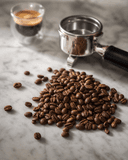 Best Overall Espresso BeanLavazza Super Crema
Fair
Our score: 69 / 100
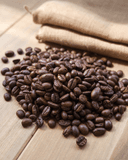 Best Specialty Espresso BeanStumptown Hair Bender
Good
Our score: 74 / 100
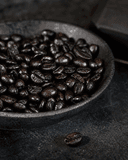 Best Bold, High-Caffeine EspressoDeath Wish Coffee
Poor
Our score: 54 / 100
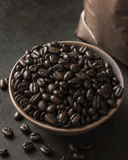 Best Budget Dark-Roast EspressoPeet's Major Dickason's Blend
Fair
Our score: 67 / 100
Lavazza Super Crema
Fair
Our score: 69 / 100
This is what the blend was built for. A roughly 60/40 arabica-robusta mix produces thick, stable crema and a full body that holds up under milk, at about $6.40 a pound — a fraction of what specialty espresso beans typically cost. If you own a home espresso machine, this is close to the default recommendation.
Stumptown Hair Bender
Good
Our score: 74 / 100
Hair Bender wasn't designed exclusively for espresso the way Lavazza was, but it has enough body and sweetness to pull a genuinely good shot while keeping brighter citrus notes that cut cleanly through steamed milk. It costs more than Lavazza, but you're buying more complexity in exchange.
Death Wish Coffee
Poor
Our score: 54 / 100
If your priority is a shot that hits hard — both in flavor intensity and caffeine content — Death Wish's robusta-boosted blend delivers that, though the bitterness is more assertive and less refined than either Lavazza or Hair Bender. Best suited to milk drinks that can absorb some of that harshness.
Peet's Major Dickason's Blend
Fair
Our score: 67 / 100
Not marketed as an espresso bean, but its heavy body and low acidity mean it pulls a solid, if not spectacular, shot for grocery-store money. A reasonable option if you already have a bag in the cabinet and don't want to special-order anything.
How we chose
We narrowed the field to beans that could plausibly work as a daily espresso bean, then evaluated them specifically on espresso-relevant traits: body and crema potential, how the roast level interacts with pressure extraction, how the flavor holds up under steamed milk, and price per pound for what's typically a caffeine-dense, frequent-use brew method. A light roast built for pour-over, like Volcanica's Yirgacheffe, was excluded from this list not because it's a bad coffee, but because it's a poor match for espresso specifically — you'd be fighting the bean's design rather than working with it.
None of these were pulled hands-on for this guide; our assessment is researched from each bean's roast level, blend composition, and how it's generally reported to perform in espresso by roasters and buyers.
What to look for
Roast level matters more for espresso than for any other brew method. Medium to medium-dark roasts generally build the most stable crema and balanced body — too light, and the beans haven't developed enough soluble compounds to extract a full-bodied shot; too dark, and you risk pure bitterness with very little sweetness left to balance it.
A robusta component isn't automatically a red flag. Many classic Italian espresso blends, Lavazza Super Crema included, use robusta deliberately for crema and body, not as a cost-cutting shortcut. The key is balance — a well-integrated robusta blend adds thickness without dominating the flavor; a poorly balanced one just tastes harsh.
Freshness affects espresso more visibly than any other method. Stale beans produce thin, fast-dissipating crema regardless of how good the grinder or machine is — if your shots are consistently crema-poor, check the roast date before blaming your equipment.
Grind size and dose matter as much as the bean itself. Even the best espresso bean will taste sour and thin if under-extracted, or bitter and harsh if over-extracted. Dial in your grinder before concluding a bean "doesn't work" for espresso.
Frequently asked questions
Do I need a specific "espresso roast" bag, or will any dark roast work?
A dedicated espresso blend like Lavazza Super Crema is optimized specifically for pressure extraction and crema — a random dark roast, like a bag of Peet's, can work in a pinch, but it wasn't engineered for the job the same way.
Why did Volcanica's Yirgacheffe not make this list?
It's an excellent coffee, just not for espresso — the light roast doesn't build the body or crema-supporting compounds that pressure extraction relies on, and its delicate floral notes tend to get lost or turn sour under that much pressure and heat.
Is robusta always bad in an espresso blend?
No — used deliberately and in moderation, as in Lavazza Super Crema, robusta adds crema and body that pure arabica blends can lack. It becomes a problem only when it's used carelessly or in excess, which can read as harsh, rubbery bitterness.
What's the best value espresso bean here?
Lavazza Super Crema, by a wide margin — at roughly $6.40 per pound, it costs a fraction of the other options while still producing genuinely good crema and body.