Best Coffee Beans (2026)
Six bags, six completely different philosophies. One brand's whole pitch is smoothing your stomach out; another is trying to hit a caffeine number; a third just wants to build good crema for a dollar a cup. There's no single "best" coffee — there's a best coffee for what you're actually trying to do, and that depends more on your brew method and palate than on which bag has the nicest label.
We researched and compared six coffees across the price and style spectrum — from a $6.40-per-pound espresso workhorse to an $25-per-pound low-acid single origin — using the same criteria across the board: flavor, aromatic complexity, sourcing and freshness practices, value per pound, and versatility across brew methods.
These picks assume you already know roughly how you brew most mornings. If you don't, read the "what to look for" section below before you buy anything.
Our top picks
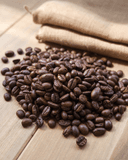 Best OverallStumptown Hair Bender
Good
Our score: 74 / 100
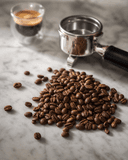 Best ValueLavazza Super Crema
Fair
Our score: 69 / 100
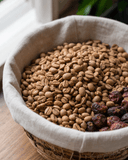 Best Single-OriginVolcanica Ethiopian Yirgacheffe
Good
Our score: 76 / 100
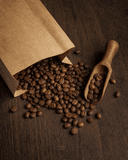 Best for Sensitive StomachsLifeboost Medium Roast
Fair
Our score: 68 / 100
 Best Classic Dark RoastPeet's Major Dickason's Blend
Fair
Our score: 67 / 100
Stumptown Hair Bender
Good
Our score: 74 / 100
It's the one bag in this lineup that does drip, pour-over, and espresso all genuinely well, while still tasting distinct — bright citrus and florals from its Ethiopian component layered over a chocolatey, medium-bodied base. If you only buy one coffee and want it to handle whatever you throw at it, this is it.
Lavazza Super Crema
Fair
Our score: 69 / 100
At roughly $6.40 a pound, nothing else here comes close on price, and the quality doesn't collapse to get there — it builds real crema and holds up under milk better than blends costing three or four times as much. The catch is it's built for espresso and moka pot specifically, not filter brewing.
Volcanica Ethiopian Yirgacheffe
Good
Our score: 76 / 100
Roasted to order and genuinely distinct — jasmine, bergamot, a tea-like lightness you won't find in any blend on this list. It rewards a pour-over setup and punishes acid sensitivity, so know which camp you're in before buying.
Lifeboost Medium Roast
Fair
Our score: 68 / 100
The lowest-acid cup in the lineup by a comfortable margin, with a legitimately traceable organic, direct-trade sourcing story behind it. It's priced at the top of the range for what's ultimately a well-made but not especially adventurous medium roast.
Peet's Major Dickason's Blend
Fair
Our score: 67 / 100
Nearly 60 years old as a recipe and still the benchmark a lot of American dark roasts are quietly measured against — heavy body, low acidity, chocolate and molasses, available at basically any grocery store for under $15 a bag.
How we chose
We evaluated each coffee on five weighted criteria — flavor (the heaviest weight, since it's what you're actually paying for), aromatic complexity, freshness and sourcing transparency, value per pound, and versatility across common brew methods. None of these were tasted hands-on in a controlled cupping session for this piece; scores are researched from each brand's stated processing, roasting, and sourcing practices, cross-checked against how each coffee is generally described and reviewed by buyers and industry sources. Where a brand didn't publish a detail — an exact roast-to-ship window, for instance — we noted it as Unknown rather than guessing.
We also weighted practical versatility deliberately. A coffee that's spectacular for pour-over but useless for espresso isn't automatically "worse" than an all-rounder — but for a general "best overall" pick, we favored the bean that performs well across the most common home brew setups, since that's what most buyers actually need.
What to look for
Roast level tells you more than the bag's marketing copy does. Light roasts (like Volcanica's Yirgacheffe) preserve origin character and acidity — florals, citrus, tea-like brightness — at the cost of body and espresso performance. Dark roasts (Peet's, Death Wish) suppress that origin character in favor of low acidity and heavy body, which is more forgiving for cold brew and French press but flattens out subtlety. Medium roasts (Lifeboost, Stumptown) split the difference, with real variation in how far toward either end they lean.
Single-origin versus blend is a real tradeoff, not a marketing distinction. A well-made single origin like Volcanica's Yirgacheffe tastes distinctly like its specific region — but it's also less forgiving of a bad grind or brew technique. A well-made blend like Stumptown's Hair Bender is engineered for balance and consistency across a wider range of brew methods and skill levels.
Match the bean to your actual brew method before you match it to your palate. An espresso-specific blend like Lavazza Super Crema will underwhelm you through a pour-over dripper, and a delicate light roast like Volcanica's will underwhelm you pulled as espresso. Buying the "best" coffee on paper for a brew method you don't actually use is a common, avoidable mistake.
Freshness matters more than most casual buyers assume, especially for lighter roasts. A roast date within the last two to three weeks is a meaningfully better bet than a bag that's been on a grocery shelf for an unknown amount of time — this is one of the real, tangible advantages that direct-to-consumer and roast-to-order brands (Volcanica, Lifeboost) have over mass retail distribution (Peet's, Lavazza).
Price per pound varies enormously — from about $6 to $25 in this batch alone — and higher price doesn't automatically mean better flavor for your specific use case. It often means more traceability, smaller-batch roasting, or a more labor-intensive processing method, none of which matter equally to every buyer.
Frequently asked questions
What's the single best all-around coffee bean for a beginner?
Stumptown Hair Bender is the safest starting point — it's forgiving across brew methods, has enough complexity to be interesting without demanding technique, and won't punish minor grind or brew mistakes the way a delicate single origin will.
Is expensive coffee always better than cheap coffee?
No — Lavazza Super Crema costs a fraction of the specialty options here and performs excellently at its intended job, espresso. Price mostly tracks sourcing transparency, batch size, and roasting model, not a straight line to flavor quality for your specific use case.
Should I buy whole bean or pre-ground?
Whole bean, whenever it's an option — all six coffees in this roundup are sold whole bean, and grinding right before brewing preserves aromatics that start fading within minutes of grinding, regardless of which bean you choose.
How much coffee should I buy at once?
Buy what you'll drink within three to four weeks of the roast date, especially for medium and light roasts — Lifeboost, Stumptown, and Volcanica all lose their more delicate character faster than the dark roasts on this list (Peet's, Death Wish) will.